Buy Firewood: Your Comprehensive Guide to Quality Firewood Supply
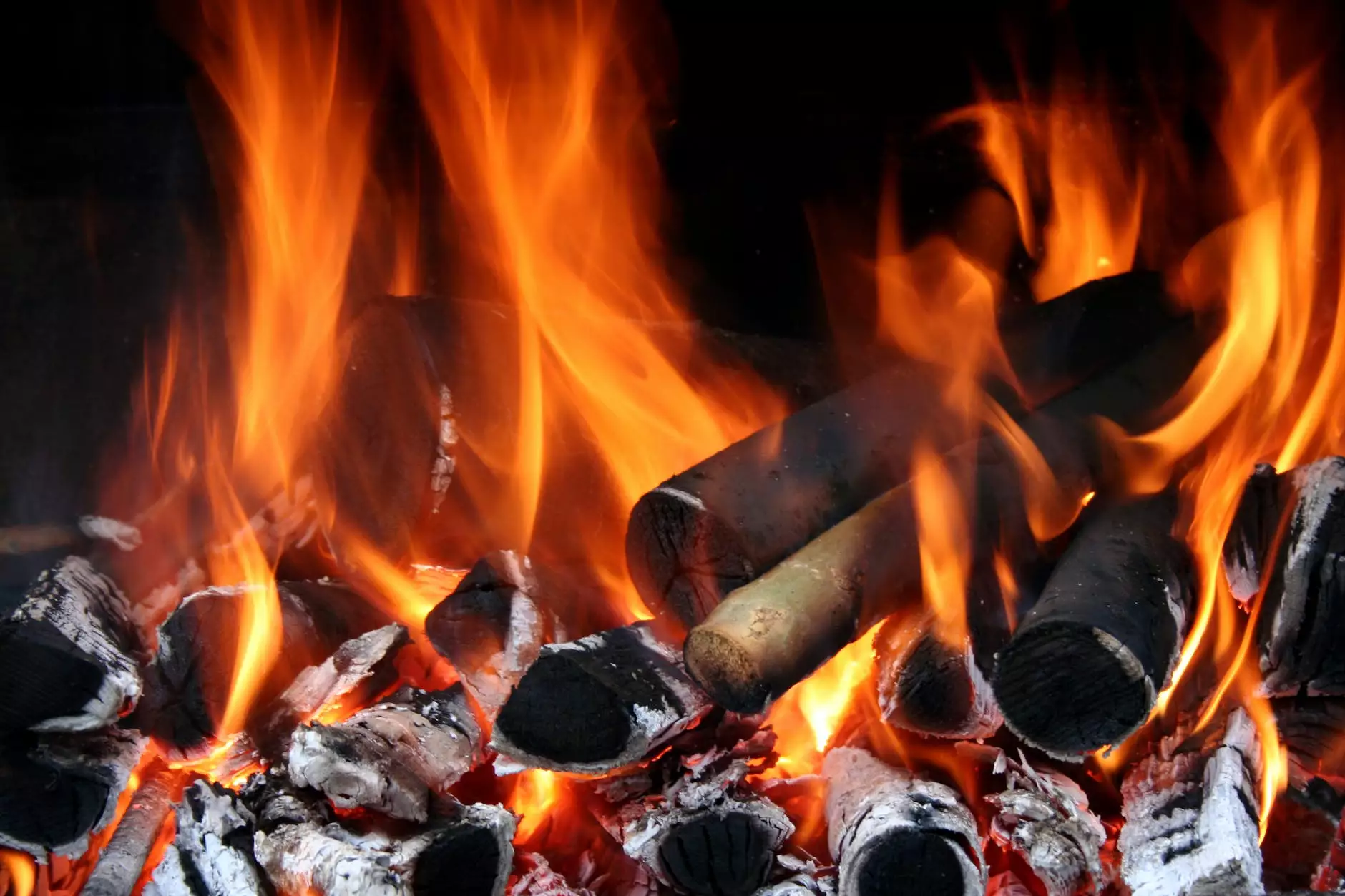
If you’re searching for the best places to buy firewood, you’re in the right place. As the chilly months approach, many homeowners begin to stock up on firewood for warmth and ambience. But how do you ensure that the firewood you purchase is of high quality? This guide explores everything you need to know about buying the right firewood, from understanding different types to knowing where to find reliable wood suppliers such as Wood Traders.
Understanding Firewood: Types and Quality
Before you embark on your journey to buy firewood, it is essential to understand the different types of firewood available, as well as what to look for in quality wood. Firewood can generally be categorized into two types: hardwoods and softwoods.
Hardwoods vs. Softwoods
- Hardwoods: These are derived from deciduous trees such as oak, maple, and hickory. Hardwoods generally burn longer, produce more heat, and create less smoke, making them ideal for efficient heating.
- Softwoods: Sourced from coniferous trees like pine, fir, and spruce, softwoods ignite more quickly and burn fast but produce more creosote, which can build up in chimneys. They are great for kindling or for a quick warm-up on cold days.
Choosing Quality Firewood
When you buy firewood, you want to ensure the wood is seasoned (dried) properly. Properly seasoned firewood has lower moisture content, burns more efficiently, and produces less smoke. Here are signs to look for when assessing firewood quality:
- Color: Look for wood that has a grayish or dull appearance. Brightly colored or shiny wood may indicate it hasn’t dried properly.
- Sound: When you knock two pieces together, seasoned wood emits a sharp, clear sound — unseasoned wood sounds dull.
- Cracks: Check for cracks in the ends of the logs. Well-seasoned firewood often shows visible splits.
- Weight: Seasoned wood feels lighter. Unseasoned wood retains water, making it heavier.
Finding Reliable Wood Suppliers
Now that you know what to look for, how do you go about finding a reputable supplier to buy firewood? Here are some tips to guide you:
Research Local Timber Merchants
Start by looking up local timber merchants in your area. Websites like Wood Traders can help you connect with trusted suppliers who offer high-quality firewood. Pay attention to reviews and ratings from previous customers to ensure reliability.
Ask for Recommendations
Seeking recommendations from friends, family, or neighbors can assist you in locating a dependable wood supplier. People who have experience with local suppliers can point you toward those who provide quality products and good customer service.
Visit the Supplier
If possible, visit the supplier in person. This allows you to inspect the firewood yourself and verify its quality. Look for a well-organized yard that shows signs of good business practices.
Buying Firewood: Quantity and Pricing
When planning to buy firewood, it’s important to understand how much wood you will need and what you can expect to pay.
Measuring Firewood
Firewood is typically sold by the cord, which is a unit that measures 128 cubic feet. A full cord consists of wood stacked 4 feet high, 8 feet long, and 4 feet deep. Consider a half cord if you need less volume; this is a more manageable quantity for casual use.
Price Considerations
The price of firewood can fluctuate based on numerous factors, including:
- Type of Wood: Hardwoods are generally more expensive than softwoods due to their increased density and efficiency.
- Location: Prices can vary significantly based on your geographical location and local demand.
- Seasonality: Prices often rise during peak seasons, such as winter, when demand is higher.
Best Practices for Storing Firewood
Once you’ve successfully found a reputable supplier and purchased your firewood, proper storage is crucial to maintaining its quality. Here’s how to store firewood effectively:
Choose a Suitable Location
Store your firewood in a location that provides good airflow and keeps it dry. Avoid placing it directly on the ground; instead, use pallets or wood risers to keep it elevated.
Cover Your Woodpile
While it’s essential to allow airflow, you should also protect your firewood from rain and snow. Using a tarp or a dedicated firewood cover can help keep the wood dry while still allowing it to breathe.
Environmental Considerations of Buying Firewood
By choosing to buy firewood, you can make a positive impact on the environment, especially when sourced from sustainable suppliers. It’s crucial to consider the source of your firewood to ensure it is environmentally friendly:
Look for Sustainable Sourcing
Ensure that the firewood you purchase comes from sustainably managed forests. Ask suppliers about their sourcing practices to confirm they adhere to local forestry regulations and sustainability standards.
Use Locally Sourced Wood
Choosing local firewood helps reduce your carbon footprint, as it requires less transportation. Additionally, burning locally sourced wood is often better for the environment, as it supports local economies and reduces the risk of introducing non-native pest species.
The Benefits of Using Firewood for Home Heating
Beyond just providing warmth, there are numerous benefits to using firewood to heat your home:
Cost-Effectiveness
Using firewood can be a cost-effective heating solution, especially in areas where wood is abundant. With appropriate energy management, wood heating can lead to substantial savings compared to other heating sources.
Ambience and Comfort
The crackling sound of wood and the flickering light of a fire create a warm and inviting atmosphere in any home. A wood-burning stove or fireplace can transform your living space into a cozy retreat.
Independence
By using firewood, homeowners can reduce dependency on fossil fuels and electric heating sources, creating a more self-sufficient energy solution, especially in remote areas.
Conclusion: The Best Time to Buy Firewood
In conclusion, as you consider your options to buy firewood, take the time to understand your needs, look for quality, and check for sustainability. By doing so, you will not only ensure that your firewood burns efficiently but you will also take positive steps toward responsible purchasing practices.
Visit Wood Traders for more information on how to select wood suppliers and ensure you get the best quality firewood available. Stay warm, stay sustainable, and enjoy the pleasures of an inviting fire in your home.