The Importance of Lathing Parts in Modern Metal Fabrication
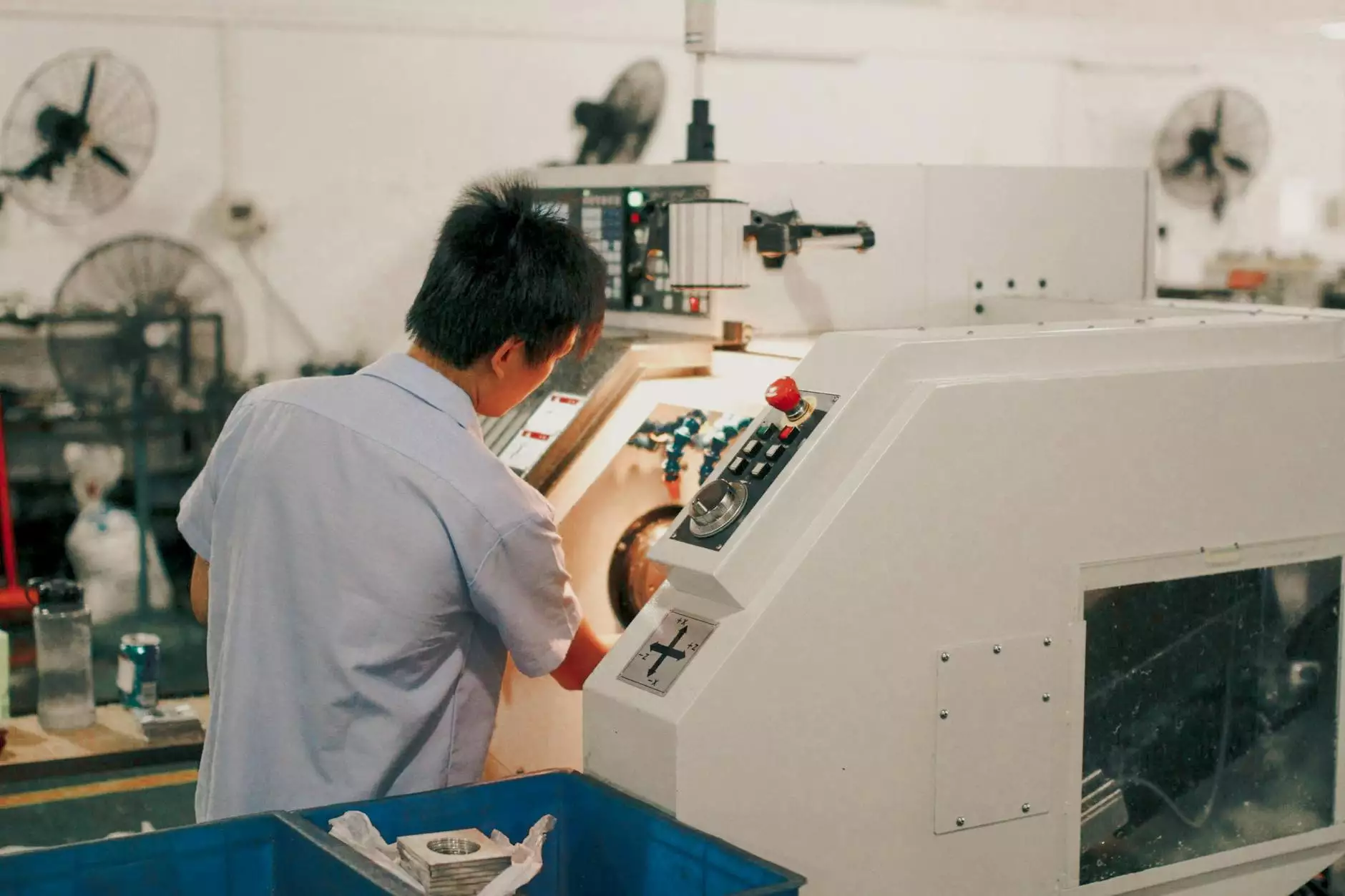
Lathing parts are pivotal components in metal fabrication, serving as integral elements in various manufacturing processes. Understanding their significance can empower businesses to optimize productivity, improve product quality, and ultimately enhance profitability.
1. Understanding Lathing Parts
Lathing parts refer to items produced through the lathe machining process, a fundamental technique in metalworking. This method involves removing material from a rotating workpiece, which can be made of various metals such as steel, aluminum, and bronze. The precision offered by lathing is unparalleled, making it indispensable in crafting components with tight tolerances.
1.1 The Lathing Process
The lathing process begins with securing the metal piece to a lathe, which rotates it at high speeds. A cutting tool then removes material from the workpiece, shaping it into the desired form. This method not only allows for high precision but also enables the creation of complex geometries that are often necessary for achieving specific product requirements.
2. Why Lathing Parts are Essential in Metal Fabrication
In the realm of metal fabrication, the demand for lathing parts continues to grow due to their myriad applications. Here’s a detailed look at why these components are essential:
2.1 Precision and Accuracy
One of the foremost advantages of lathing is the precision it affords. Businesses that engage in metal fabrication often deal with intricate designs that necessitate high levels of accuracy. This is where lathing shines, as it can achieve tolerances as tight as ±0.001 inches, ensuring that the components fit perfectly into the larger assemblies.
2.2 Versatility in Applications
Lathing parts are used across a vast array of industries, including:
- Aerospace
- Automotive
- Medical Devices
- Industrial Machinery
- Electronics
This versatility makes them an essential feature in the production of critical components ranging from engine parts to surgical instruments.
2.3 Improved Production Efficiency
Utilizing modern lathing techniques can significantly enhance productivity in the manufacturing process. With advancements like CNC (Computer Numerical Control) technology, businesses can automate the lathing process, leading to:
- Reduced cycle times
- Lower waste of materials
- Consistent quality across batches
The result is a streamlined operation that can adapt to changing demands while maintaining quality and efficiency.
3. The Role of Technology in Lathing Parts Production
The advent of advanced technology has transformed the production of lathing parts. Here are some key technological advancements that have had a notable impact:
3.1 CNC Machining
CNC machining has revolutionized the industry, allowing for complex and precise shapes to be created with minimal manual intervention. This technology enhances both efficiency and consistency in the production of parts, which is critical for maintaining the integrity and quality of fabricated products.
3.2 Material Advancements
Innovations in metal alloys and composites also contribute to the effectiveness of lathing processes. New materials can offer enhanced performance characteristics such as increased strength, reduced weight, and improved corrosion resistance, making them ideal for various applications.
4. Quality Assurance in Lathing Parts Production
For businesses like Deep Mould that focus on metal fabrication, maintaining stringent quality assurance protocols is vital. Here are some practices that can enhance the quality of lathing parts:
4.1 Rigorous Inspection Processes
Implementing thorough inspection procedures at every stage of production helps in identifying defects early. Integrating technologies such as 3D scanning and coordinate measuring machines (CMM) can provide comprehensive quality control, ensuring the end products meet the required specifications.
4.2 Certification Standards
Complying with international quality standards such as ISO 9001 can enhance customer trust and satisfaction. Certification demonstrates a commitment to maintaining high production standards and continually improving processes.
5. Benefits of Partnering with Leading Metal Fabricators
When it comes to sourcing lathing parts, partnering with reputable metal fabricators can provide numerous advantages:
5.1 Expert Knowledge and Skills
Leading fabricators have extensive expertise and skilled workers who understand the nuances of lathing. Their knowledge ensures that complex designs are manufactured accurately and efficiently.
5.2 Access to Cutting-Edge Technology
Establishing a relationship with a top-notch metal fabricator provides access to the latest technology that can considerably enhance manufacturing capabilities, resulting in superior parts.
5.3 Customization Capabilities
Reputable fabricators offer a range of customization options, allowing businesses to tailor parts to their precise specifications. This flexibility is essential for companies that need specific sizes, shapes, and materials.
6. Conclusion
In conclusion, lathing parts are an essential element in the metal fabrication process, playing a critical role across various industries. Their precision, versatility, and adaptability to modern technologies make them invaluable to manufacturers.
By choosing to collaborate with experienced metal fabricators such as Deep Mould, businesses can benefit immensely from high-quality lathing parts, further driving their operational efficiency and success in the competitive market landscape.
7. Call to Action
Are you looking for high-quality lathing parts for your business? Contact Deep Mould today to learn how we can help enhance your metal fabrication processes and deliver outstanding results tailored to your needs!