Mastering Live Streaming Production: A Deep Dive Into the Future of Digital Engagement
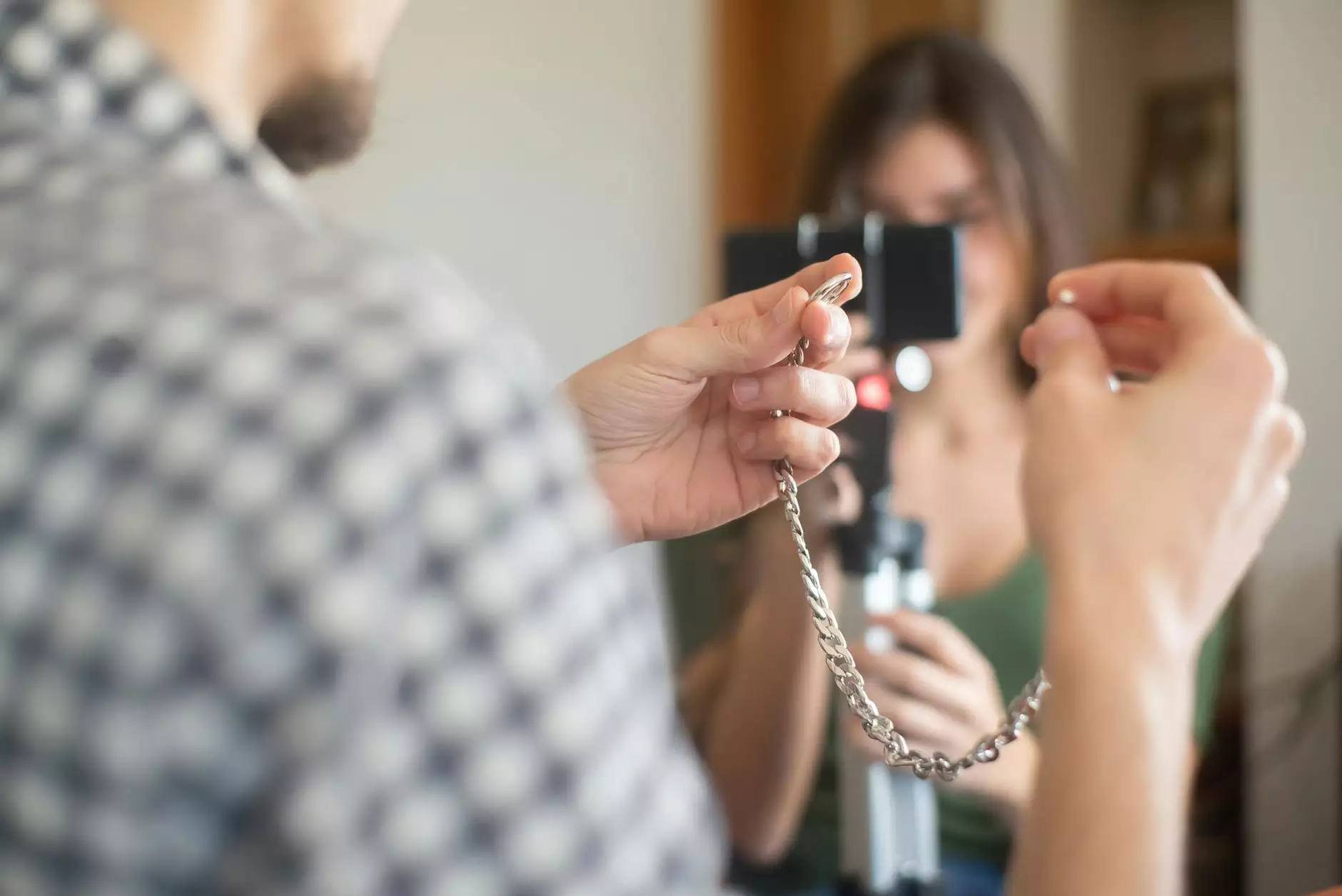
In today's fast-paced digital landscape, live streaming production has emerged as a game-changer for businesses across various sectors. The capability to broadcast live events and share real-time content with audiences worldwide is not just an innovative trend; it is a necessity for those looking to stay competitive in the photography and real estate industries.
The Importance of Live Streaming for Businesses
Once considered a novelty, live streaming has quickly become an essential tool for businesses, especially in the realms of photography and real estate. Here are several reasons why:
- Enhanced Engagement: Live streaming allows real-time interaction with audiences, fostering an engaging experience that pre-recorded videos simply cannot match.
- Wider Reach: With the ability to broadcast across numerous platforms, businesses can reach global audiences without geographical limitations.
- Cost-Effectiveness: Reducing the need for extensive travel and large-scale events, live streaming can significantly cut costs associated with traditional marketing methods.
- Authenticity: The real-time aspect of live streaming adds an element of trustworthiness, as audiences appreciate the raw and unfiltered nature of live content.
How Live Streaming Production Works
Understanding the technicalities of live streaming production is crucial for businesses to implement successful broadcasts. Here’s a breakdown of how it works:
1. Planning Your Live Stream
Preparation is key to a successful live stream. This includes:
- Identifying Your Audience: Understand who your target audience is and what type of content they would find valuable.
- Deciding on the Content: Will you host a Q&A session, showcase new properties, or provide photographic tutorials? The content should align with your brand and engage your audience.
- Selecting the Right Platform: Choose from popular platforms such as YouTube Live, Facebook Live, or Instagram Live based on where your audience spends their time.
2. Equipment and Software
A successful live stream demands quality equipment and software. Consider investing in:
- Camera: A high-definition camera that can capture clear visuals is essential, especially for photography-related content.
- Microphone: Clear audio is just as important as video quality. Invest in a good microphone to ensure your audience can hear you without distractions.
- Lighting: Proper lighting can significantly enhance the quality of your stream, making your visuals pop.
- Streaming Software: Options like OBS Studio or Wirecast allow for seamless integration of various audio and visual inputs, enhancing the professional quality of your live stream.
3. Broadcasting the Live Stream
Before going live, conduct tests to ensure everything runs smoothly. This includes checking connections, audio, and video quality. When you're ready:
- Go Live: At the scheduled time, start your broadcast. Engage with your audience by acknowledging comments and questions.
- Monitor the Stream: Keep an eye on the stream’s quality and audience engagement. Adjust settings as needed to maintain quality.
- Wrap Up Effectively: Conclude your live session by thanking your audience, summarizing key takeaways, and encouraging them to connect with your business.
Utilizing Live Streaming for Photography Businesses
For photography businesses, live streaming production offers numerous opportunities to showcase talent and engage with potential clients.
Behind the Scenes
Let your audience in on the creative process! Live streaming a photo shoot gives potential clients insight into your working style and confidence in your abilities. It can also serve as a tutorial where you share tips and tricks, fostering community engagement.
Live Q&A Sessions
Hosting live Q&A sessions can address common questions and concerns your audience may have. This not only establishes you as an expert in your field but also builds trust with potential clients, which is vital in the competitive photography market.
Virtual Tours for Real Estate Photography
For real estate professionals, live streaming offers an innovative way to conduct virtual property tours. This not only saves time but also allows potential buyers to view properties from the comfort of their homes.
Best Practices for Effective Live Streaming Production
To ensure your live streaming efforts are fruitful, adhere to the following best practices:
1. Engage Your Audience
Make your audience feel involved by responding to comments and encouraging interaction throughout the stream. Use live polls, questions, and shout-outs to maintain a lively atmosphere.
2. Promote in Advance
Use your existing marketing channels to promote your live stream ahead of time. Utilize email newsletters, social media posts, and your website to notify potential viewers.
3. Consistency is Key
Regularly scheduled streams can help you build a loyal audience. Whether it's weekly photo critiques or monthly real estate showcases, consistency allows your audience to know when to tune in.
4. Analyze Post-Stream Data
Most streaming platforms provide analytics that can help you understand audience engagement and demographics. This data is valuable for refining future live streams and content strategy.
Overcoming Challenges in Live Streaming Production
Like any business practice, live streaming comes with its own set of challenges. Here’s how to overcome them:
Technical Issues
Nothing is worse than a technology failure during a live broadcast. To combat this:
- Always have backup equipment on hand, including extra cables and chargers.
- Test your setup multiple times before going live to ensure everything runs smoothly.
- Utilize reliable internet connections; consider a wired connection over Wi-Fi if possible.
Audience Engagement Drops
If you notice engagement is slipping during your stream, be proactive:
- Ask direct questions to your audience to reignite interest.
- Incorporate giveaways or contests during the stream to encourage participation.
Future Trends in Live Streaming Production
As technology continues to evolve, so does live streaming production. Here are some trends to keep an eye on:
Integration with Augmented Reality (AR)
The future of live streaming includes AR features that can provide interactive experiences for viewers, particularly in real estate, where potential buyers can visualize properties in immersive ways.
360-Degree Live Streaming
This technology allows viewers to control their perspective during a live stream, offering an engaging and personalized viewing experience that can be particularly useful for virtual property tours and live events.
Increased Use of Mobile Streaming
With the rising use of mobile devices, businesses will continue to leverage mobile streaming, enabling accessibility and convenience for wider audiences.
Conclusion
In conclusion, live streaming production is more than just a trend; it’s a powerful tool that businesses, especially in the photography and real estate sectors, can utilize for increased engagement, authenticity, and reach. By mastering the technical aspects and embracing innovative features, businesses like BonoMotion can stand out in a crowded marketplace and effectively resonate with audiences worldwide. Now is the time to transform your approach and embrace the future of digital engagement through compelling live streaming.