The Complex Landscape of **Fake US Dollar** in Businesses
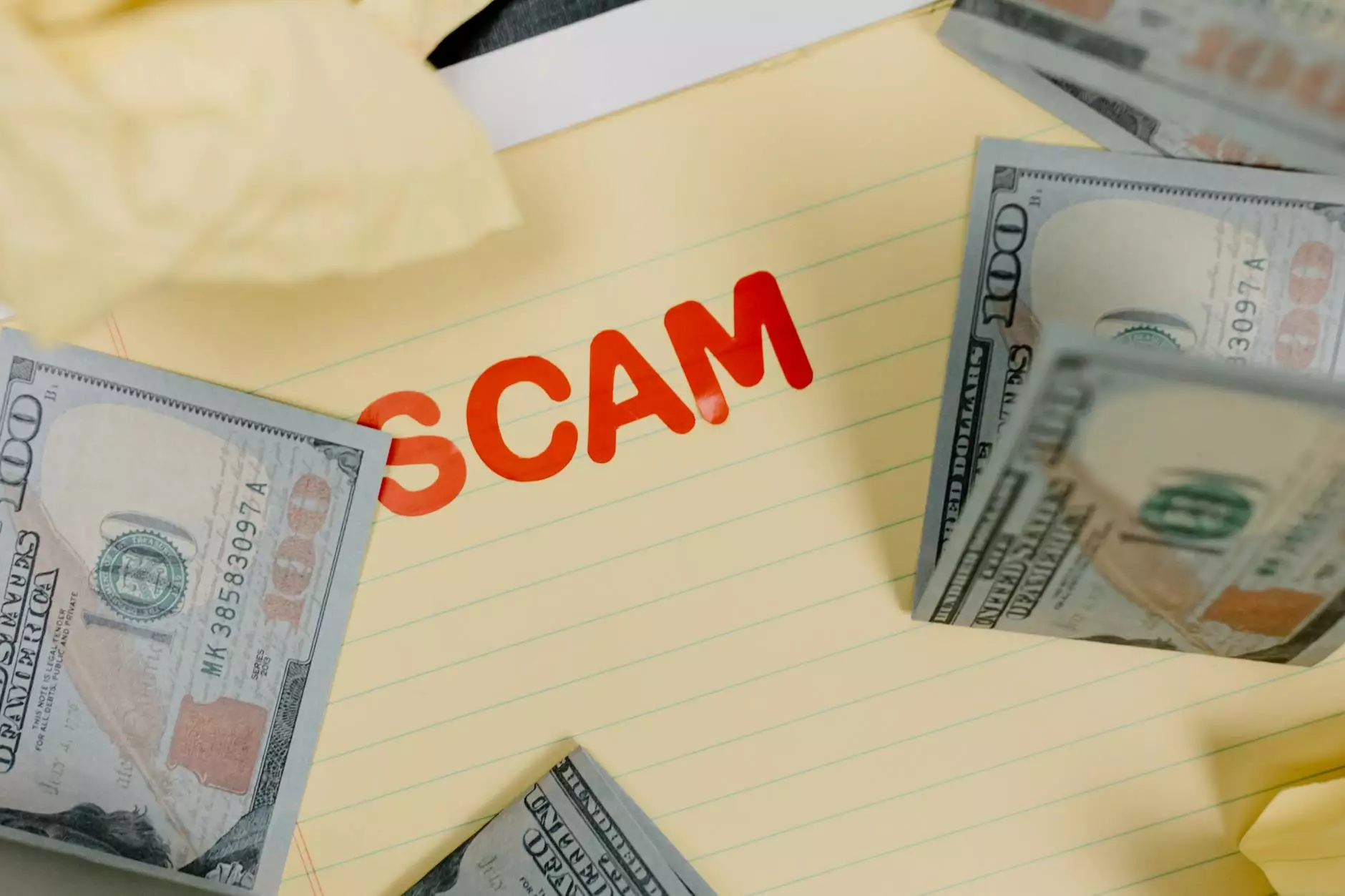
The term fake US dollar introduces a myriad of challenges and discussions, particularly in the realm of business. While most discussions about currency focus on its legitimacy, understanding the nuances behind counterfeit currency and its impact on various sectors, such as Health & Medical and Pharmacy, can help us grasp the broader implications for business operations.
1. What is a Fake US Dollar?
A fake US dollar refers to counterfeit currency that mimics the legitimate US dollar. Counterfeit currency is often crafted with precision, making it difficult to distinguish from authentic notes. The production and distribution of fake dollars are not only illegal but also pose significant risks to both individuals and businesses.
2. The Rise of Counterfeit Currency
As technology advances, so too do the methods employed by counterfeiters. Fake US dollars are increasingly sophisticated, leading to a growing concern for businesses. The reasons for the rise of counterfeiting include:
- Advanced Printing Technologies: With the advent of high-quality printers, creating counterfeit money has become more feasible.
- Globalization: An interconnected economy allows for the wider distribution of counterfeit currencies.
- Lack of Awareness: Employees in businesses may not be adequately trained to recognize counterfeit bills.
3. Impact on Health & Medical Sector
The Health & Medical sector is particularly susceptible to the impacts of counterfeit currency. Hospitals, clinics, and pharmacies deal with substantial transactions where counterfeit bills can be devastating. Some challenges include:
3.1 Financial Losses
When a fake US dollar is accepted by a healthcare provider, it translates into immediate financial loss. This setback can affect inventory, staff salaries, and ultimately the quality of patient care.
3.2 Trust Erosion
The presence of counterfeit currency can erode trust among patients and customers. If a healthcare provider inadvertently accepts fake currency, it may lead to suspicions regarding their overall integrity and operational competence.
3.3 Heightened Security Measures
To combat counterfeit currency, health facilities are compelled to invest in security technology that can identify fake money. This creates additional overhead costs, which can detract from essential services and resources.
4. Pharmacy Sector Vulnerabilities
Pharmacies often operate on tight margins, making them particularly vulnerable to the implications of fake US dollar notes. Here are some notable impacts:
4.1 Increased Operational Costs
Pharmacies may face heightened costs associated with implementing security measures and training staff to identify counterfeit currency. This often results in increased prices for patients—an unwelcome scenario in an already costly healthcare system.
4.2 Compromised Customer Loyalty
Trust is essential in the pharmacy sector. When customers believe they may be dealing with a pharmacy that does not adequately protect against counterfeits, they can easily turn to competitors. Maintaining customer loyalty is paramount, especially in a saturated market.
4.3 Legal Repercussions
Accepting fake US dollars can lead to legal trouble for pharmacies. If counterfeit currency is detected, pharmacies may be subject to fines or legal actions that could harm their reputation and financial standing.
5. Strategies for Businesses to Combat Counterfeit Currency
Preventing the circulation of fake US dollars in business environments requires a proactive approach. Here are several strategies that can effectively mitigate risks:
- Education and Training: Regular training sessions for employees on how to identify counterfeit notes can significantly reduce risks.
- Invest in Technology: Utilizing counterfeit detection machines can help in quickly identifying fake bills before they affect the bottom line.
- Implement Strict Currency Handling Policies: Establishing and enforcing policies surrounding currency acceptance can help mitigate risks. For instance, only accepting cash from known customers in secured environments.
- Regular Audits: Conducting regular audits of cash flow can help businesses identify counterfeit operations and patterns early.
6. Understanding Legal Aspects of Counterfeiting
Counterfeit currency is treated as a serious crime under law. Understanding the legal implications of handling fake US dollars is crucial for businesses:
6.1 Federal Regulations
The United States Secret Service is the government agency responsible for investigating counterfeiting. They enforce laws prohibiting the creation and distribution of fake currency, outlining severe penalties for offenders.
6.2 Reporting Procedures
Business owners should be familiar with the reporting procedures in their state regarding counterfeit currency. Prompt reporting of suspected fake notes can help authorities track down counterfeit operations more effectively.
6.3 Educational Resources
Numerous resources are available to educate business owners about the implications of counterfeit currency, including state and federal guidelines, as well as training programs provided by industry associations.
7. The Broader Economic Implications of Counterfeit Currency
Beyond individual businesses, the circulation of fake US dollars has broader implications for the economy. Consider the following aspects:
7.1 Inflation and Currency Devaluation
Counterfeit currency can lead to inflation, as the introduction of fake bills into circulation dilutes the value of legitimate currency. This can create instability within the economic system.
7.2 Reduced Investment and Growth
A climate where counterfeit currency is prevalent can discourage investment, as businesses may see reduced consumer confidence. In such scenarios, economic growth can stagnate.
7.3 The Role of Technology in Counterfeit Prevention
As technology continues to evolve, so too do solutions aimed at combating counterfeit currency. From advanced detection systems to blockchain technologies, businesses must stay vigilant in adapting to new methods of currency security.
8. Conclusion: A Proactive Business Approach
In conclusion, navigating the world of fake US dollars requires a proactive and informed approach. Businesses, particularly in the Health & Medical and Pharmacy sectors, must understand the complexities of counterfeit currency and implement robust measures to combat its influence. By educating staff, investing in technology, and adhering to legal guidelines, businesses can safeguard their interests and maintain customer trust.
For further resources and assistance, exploring platforms such as elitbills.com can provide invaluable support. As the landscape of business continues to evolve, understanding and addressing the nuances of counterfeit currency will be instrumental in achieving sustainable profitability and growth.