Buy Firewood: Your Ultimate Guide to Sourcing Quality Firewood for Your Needs
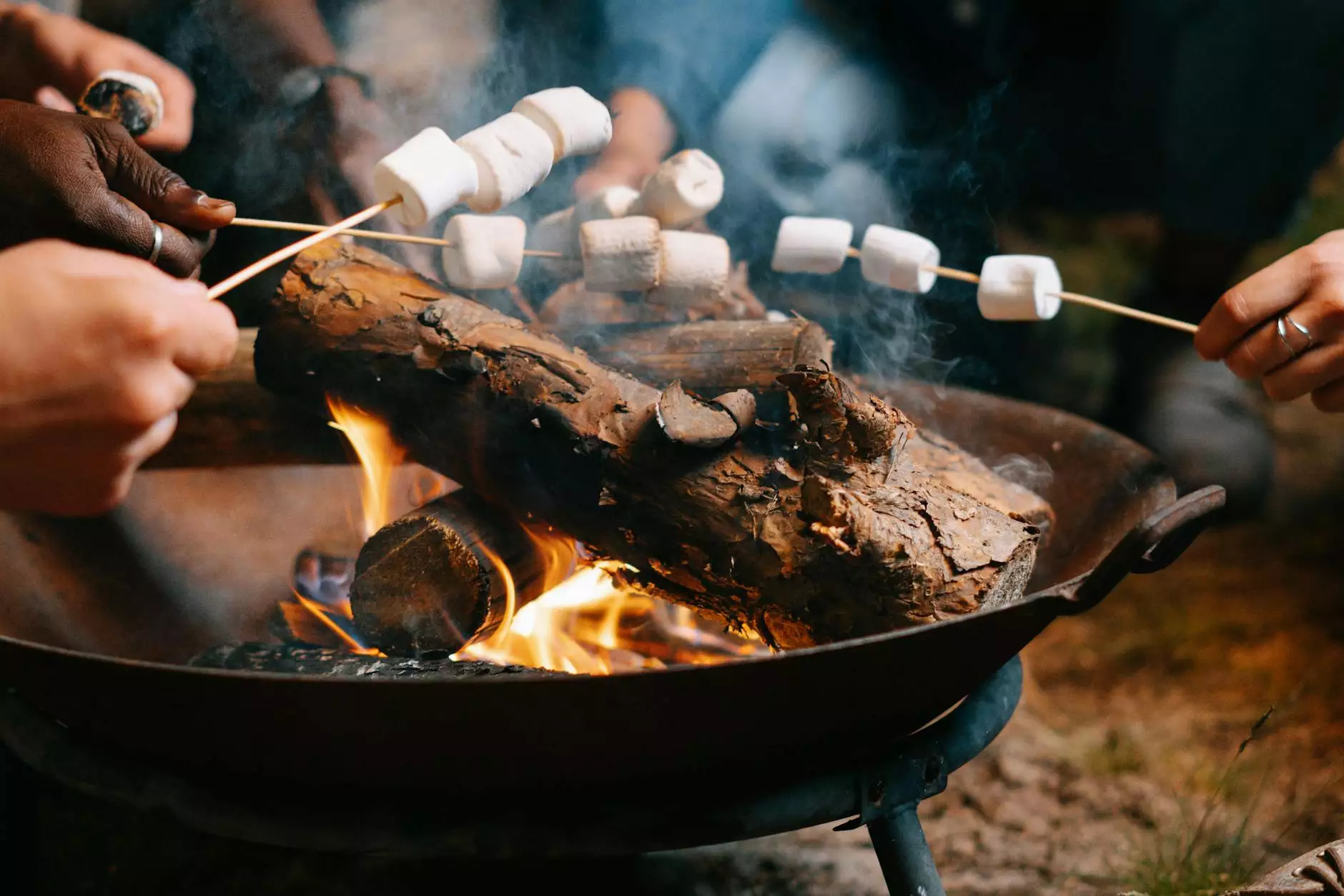
When it comes to buying firewood, many factors come into play. You might be looking to keep warm during the winter months, enhance your outdoor gatherings, or fuel your wood-burning stove. Whatever your reasons, understanding how to select the best firewood is essential. This guide will lead you through the process, ensuring that you make informed decisions while purchasing firewood from reliable sources like woodtraderssro.com.
Why Buy Quality Firewood?
Not all firewood is created equal. Choosing high-quality firewood ensures a better burn, more heat, and fewer headaches. Using subpar wood can lead to excessive smoke, creosote buildup, and unsatisfactory heating. Here are several reasons to prioritize quality when you buy firewood:
- Efficiency: Good firewood burns hotter and longer, providing more heat with less wood.
- Less Smoke: Quality firewood produces less smoke, reducing air pollution and creating a more pleasant atmosphere.
- Reduced Creosote: Properly seasoned wood minimizes the buildup of creosote in your chimney, lowering the risk of chimney fires.
- Better Flavor for Cooking: If you're using firewood for grilling or smoking meat, the type of wood matters for flavor.
Choosing the Right Type of Firewood
There are many types of firewood available, and understanding their properties can help you make the best choice.
Hardwood vs. Softwood
Firewood is generally categorized into hardwoods and softwoods. Each has its own unique properties:
- Hardwoods (e.g., oak, maple, cherry) are denser and burn longer and hotter. They are ideal for heating and create a steady flame.
- Softwoods (e.g., pine, spruce, fir) ignite quickly and burn faster. They are great for starting fires but may produce more smoke and less heat than hardwoods.
Seasoning Firewood
Another important factor when you buy firewood is whether it is seasoned or green. Seasoned wood has been dried for at least 6-12 months, resulting in:
- Lower moisture content, which allows for an easier and hotter burn.
- Less smoke, leading to a cleaner fire and reduced air pollution.
Where to Buy Firewood
There are various places to purchase firewood, each with its advantages and disadvantages. Here's a breakdown of your options:
Local Firewood Suppliers
Buying from a local supplier, like woodtraderssro.com, ensures that you get fresh and potentially seasoned wood that's been sourced from local forests.
Retail Stores
Large retail chains often sell packaged firewood. While this may be convenient, be sure to check the quality, as it can vary significantly.
Online Retailers
Online purchases offer variety and convenience but consider shipping costs, which can add to your final price. Look for reputable online retailers known for their firewood quality.
Tips for Buying Firewood
To ensure you’re making the best investment when you buy firewood, keep these tips in mind:
- Inspect Before You Buy: Check for signs of mold or insect infestation.
- Ask About Seasoning: Inquire if the wood has been seasoned and for how long.
- Know Your Quantity: Understand wood measurements like cord and face cord to avoid over or underbuying.
- Consider Delivery Options: Some suppliers offer delivery, which can save you time and effort.
Storing Firewood Properly
Once you’ve purchased your firewood, proper storage is crucial to maintaining its quality:
Choosing a Storage Location
Store your firewood in a well-ventilated area away from direct contact with the ground to prevent moisture absorption. An ideal storage setup includes:
- A covered area such as a shed or a wood rack.
- Space between logs to allow airflow, keeping them dry.
Covering Firewood
If covering your firewood, use a tarp or a dedicated wood cover, but make sure it’s not so tightly enclosed that moisture is trapped inside.
The Environmental Impact of Firewood
While firewood can be a sustainable and renewable energy source, it’s essential to consider its environmental impact:
- Sustainable Sourcing: Ensure your firewood supplier practices sustainable harvesting methods.
- Local is Better: Buying locally reduces transportation emissions and helps local economies.
- Carbon Neutrality: Burning wood emits CO2, but trees absorb CO2, creating a more balanced carbon footprint when managed responsibly.
Conclusion
When you choose to buy firewood, you’re not just purchasing a product; you’re investing in warmth, comfort, and a sustainable energy source. By understanding the types of wood available, where to purchase them, and how to store them, you can enhance your experience whether you're heating your home or enjoying a cozy fire. Visit woodtraderssro.com for quality firewood options and expert guidance tailored to your needs.
Make the choice that benefits both you and the environment by selecting quality firewood from reliable suppliers today!