Why is Grain Stored in Silos?
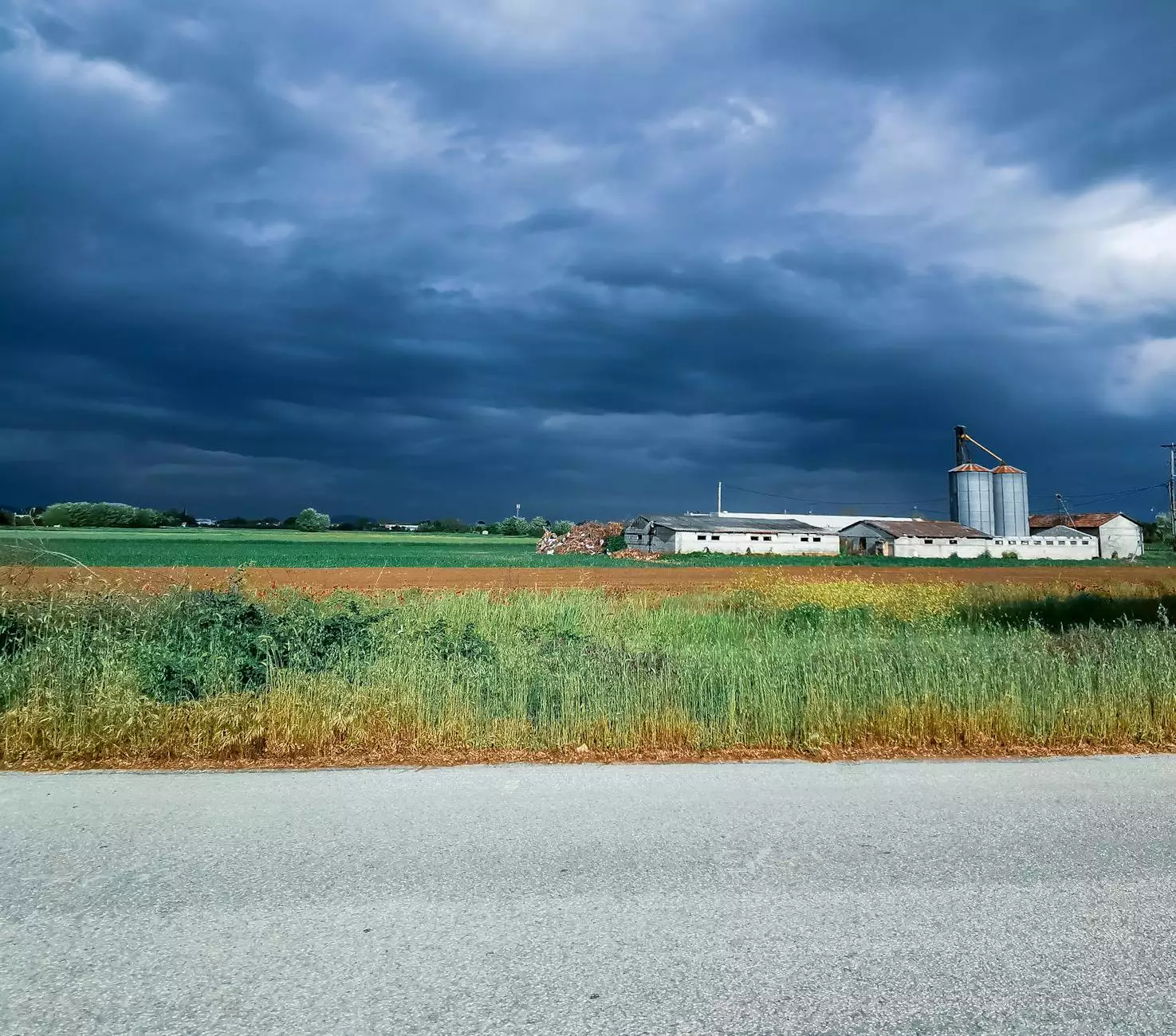
Grain storage is a pivotal aspect of agricultural practices, ensuring that harvested grains maintain their quality until they can be processed or sold. One of the most common and effective methods of storing grain is in silos. This article will explore the various reasons why grain is stored in silos, examine the benefits this practice offers, and delve into the technology behind modern silo systems.
The Evolution of Grain Storage
Historically, farmers relied on simple storage methods such as piles, pits, or even barns to hold their grains. However, with the advancement of agricultural technology and the need for improved efficiency, silos have become the standard for grain storage. From their inception, silos have provided various advantages that traditional storage methods could not match.
Benefits of Storing Grain in Silos
Understanding why grain is stored in silos involves recognizing the numerous benefits that this storage method offers. Here are five essential advantages:
- Enhanced Preservation: Silos create a controlled environment that minimizes the risk of spoilage. This is crucial for maintaining grain quality over time.
- Increased Space Efficiency: Silos use vertical space, allowing farmers to store large quantities of grains without taking up a substantial footprint on their land.
- Protection from Pests: Silos are designed to be airtight, preventing infestations by rodents and insects, which can lead to significant losses in grain quality and quantity.
- Easier Loading and Unloading: Modern silos incorporate advanced systems for the easy transfer of grain, speeding up the processes of collection and distribution.
- Improved Supply Management: Storing grain in silos allows farmers to manage their grain according to market demand, potentially increasing profitability.
How Do Silos Work?
To fully understand why grain is stored in silos, it's essential to dissect how these structures operate. Silos are typically cylindrical containers made of materials such as steel or reinforced concrete. Their design features include:
- Airtight Construction: This is crucial for controlling moisture and temperature, which are significant factors in grain storage.
- Grain Elevators: These are mechanisms that help in the transportation of grain from ground level to the top of the silo.
- Discharge Systems: Modern silos include systems that allow for the efficient unloading of grain, often using gravity, conveyors, or augers.
Types of Silos
Different types of silos are designed to cater to various needs in grain storage. Here are some commonly used types of silos:
- Concrete Silos: Durable and ideal for long-term storage, concrete silos can withstand harsh weather conditions.
- Steel Silos: Typically used for their lightweight and durability, steel silos are resistant to corrosion and pests.
- Fabric Silos: Made from reinforced fabric, these silos are portable and can be set up quickly on-site, making them useful for short-term storage.
- Bunker Silos: These are large, horizontal structures used primarily for bulk storage and often utilized for silage.
Preventing Grain Losses
One pivotal question arises when discussing why grain is stored in silos: How do silos help in preventing losses? Grain can be susceptible to a number of threats including moisture, pests, and spoilage, all of which can lead to financial hardship for farmers. Silos greatly minimize these risks by:
- Maintaining a controlled environment that regulates humidity and temperature.
- Using pest control measures that deter rodents and insects.
- Making it easier to conduct regular inspections for signs of damage or spoilage.
The Role of Technology in Silo Management
As we are in the age of technology, the integration of automation and digital management systems into silo operations has revolutionized grain storage practices. This technology enhances monitoring capabilities by:
- Providing real-time data: Sensors can monitor the temperature and humidity levels inside silos, alerting farmers to any potential issues immediately.
- Facilitating inventory management: Digital systems can track grain levels, ensuring timely harvesting and selling according to market demands.
- Comforting reassurance through automation: Automating grain management reduces the labor required, allowing for a more efficient operation.
Environmental Impacts of Grain Storage
Storing grain in silos has positive ramifications for the environment as well. Efficient grain storage reduces waste and promotes sustainability by:
- Minimizing spoilage: With less grain lost to spoilage, fewer resources are wasted in producing grain that might otherwise be discarded.
- Encouraging local agriculture: By allowing farmers to store grain until market conditions are favorable, silos help support sustainable farming practices.
- Supporting transitory production: Farmers can store grain through various seasons, adapting to both demand and climate-related changes.
Conclusion: The Future of Grain Storage in Silos
In summary, the question of why grain is stored in silos encompasses a range of factors from preservation and efficiency to technology and sustainability. As agricultural practices evolve, the importance of adopting modern silo systems cannot be overstated. They not only enhance the economic viability of farming operations but also contribute positively to environmental stewardship.
Organizations like tsgcinc.com are at the forefront of providing support in Farm Equipment Repair and Farming Equipment, promoting the importance of effective grain storage solutions for the agricultural community. With the ever-increasing demands of the global food market, understanding and leveraging the benefits of silo storage is more critical than ever for farmers looking to stay ahead.
why is grain stored in silos