The Importance of Grain Moisture in Farming Equipment Maintenance
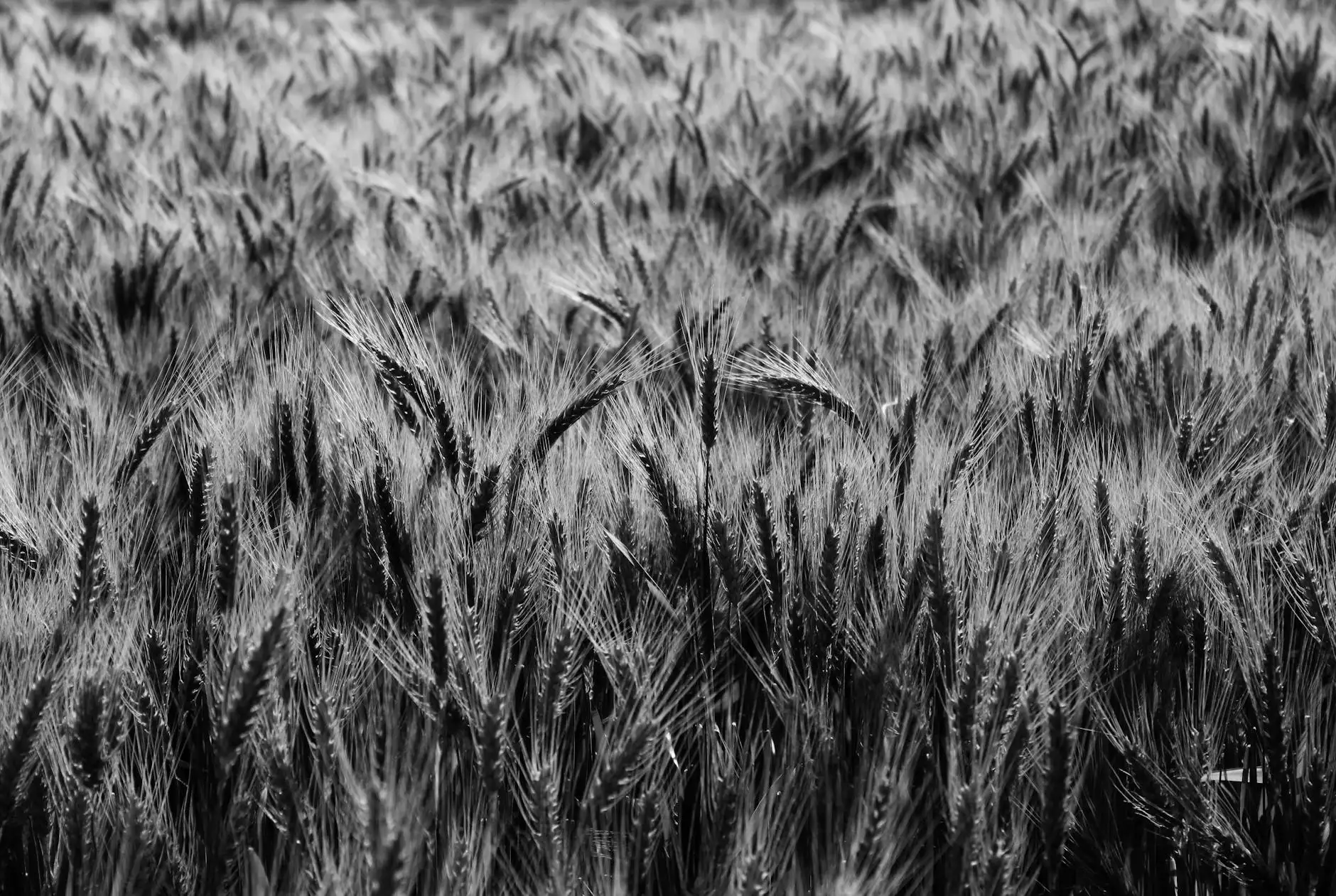
Grain moisture is a fundamental concept in agriculture that significantly impacts crop quality, yield, and the efficiency of farming equipment. Understanding and managing grain moisture is vital for farmers who want to maximize their productivity and ensure the longevity of their farming machinery. In this comprehensive article, we will delve into the intricate relationship between grain moisture and farming equipment, how it influences the agricultural sector, and best practices for effective moisture management.
Understanding Grain Moisture
Grain moisture refers to the amount of water contained within the grain in relation to its total weight. It is typically expressed as a percentage. For instance, if a pound of grain weighs 0.1 pounds of moisture, the grain moisture content is 10%. This parameter is crucial for:
- Crop Quality: Higher moisture levels can lead to the growth of molds and spoilage, adversely affecting grain quality.
- Market Value: The price of grain often fluctuates based on its moisture content, as buyers prefer grains with optimal moisture levels.
- Storage Decisions: Correct moisture levels determine the best storage conditions to prevent spoilage and maintain grain integrity.
The Ideal Grain Moisture Levels
To maximize the quality and shelf life of grains, it is essential to maintain moisture levels within specific ranges. The ideal moisture content varies depending on the type of grain:
- Corn: Optimal moisture content is between 15-20% for safe harvesting and storage.
- Wheat: Should be harvested at approximately 13-15% moisture for optimal quality.
- Rice: Recommended moisture levels are around 14-20% depending on storage conditions.
Understanding these ideal moisture levels is crucial for effective crop management and ensures that the grains remain in prime condition until they reach the market.
Impact of Grain Moisture on Farming Equipment
The moisture content of the grain directly influences the efficiency and functioning of farming equipment. For instance, when grains are too damp, they can cause:
- Clogging: High moisture grains can cause blockages in harvesting equipment, leading to inefficiencies and increased labor costs.
- Wear and Tear: Excess moisture can lead to additional wear on machinery, requiring more frequent repairs and maintenance.
- Efficiency Loss: Operating machinery with damp grains often results in reduced fuel efficiency, affecting overall operational costs.
Conversely, grains that are too dry can also pose risks. They may lead to:
- Product Loss: Overly dry grains can shatter during harvesting, leading to lower yields.
- Quality Issues: Improper moisture levels can introduce quality concerns, reducing marketability.
Strategies for Managing Grain Moisture
To effectively manage grain moisture, farmers should consider the following strategies:
1. Implementing Grain Moisture Testing
Regularly testing the moisture content of grain before and after harvest is crucial. Utilizing moisture meters allows farmers to assess grain moisture accurately. Regular testing helps in:
- Knowing when to harvest.
- Determining the correct drying process needed.
2. Efficient Harvesting Techniques
Harvesting grains at the right time can greatly influence moisture content. Monitoring weather conditions is paramount. For instance, harvesting during dry periods helps in achieving optimal moisture levels.
3. Proper Grain Drying Techniques
Using modern grain dryers can effectively reduce moisture levels. These dryers are designed to remove excess moisture without damaging the grain. Key factors to consider include:
- Temperature Control: Maintaining the right temperature during drying prevents the grain from cooking.
- Airflow Optimization: Ensuring adequate airflow during the drying process is crucial for even moisture removal.
4. Safe Storage Practices
Storing grain at ideal moisture levels is essential to prevent spoilage. Appropriate storage conditions include:
- Humidity Control: Maintain low humidity levels within storage facilities.
- Regular Monitoring: Regularly check on grain conditions to catch potential moisture-related issues early.
The Financial Benefits of Moisture Management
Effective grain moisture management can lead to substantial financial benefits. By minimizing spoilage and maximizing crop quality, farmers can see:
- Higher Market Prices: Grains with optimal moisture content fetch better market prices.
- Lower Equipment Repair Costs: Reduced wear and tear on equipment can lead to significant savings over time.
- Increased Yield: Properly managed moisture levels lead to better yields, impacting overall farm profitability.
Challenges in Grain Moisture Management
Despite the best practices, farmers often encounter challenges in managing grain moisture. These can include:
- Weather Variability: Unexpected weather changes can affect moisture levels drastically.
- Equipment Limitations: Not all farms have access to advanced moisture testing and drying equipment.
- Market Fluctuations: Prices can vary widely based on many factors beyond moisture content, creating uncertainty.
Conclusion
In conclusion, grain moisture is a pivotal element in the world of agriculture that affects not only crop quality but also the efficiency and longevity of farming equipment. By understanding ideal moisture levels, employing effective moisture management strategies, and adapting to challenges, farmers can enhance their operational effectiveness and profitability. Investing in quality farming equipment repair and moisture management solutions is essential for those in the industry. For comprehensive services related to farming equipment, visit tsgcinc.com where you can find the support you need to maximize your agricultural success.