Air Cargo and Air Freight: Revolutionizing Global Trade
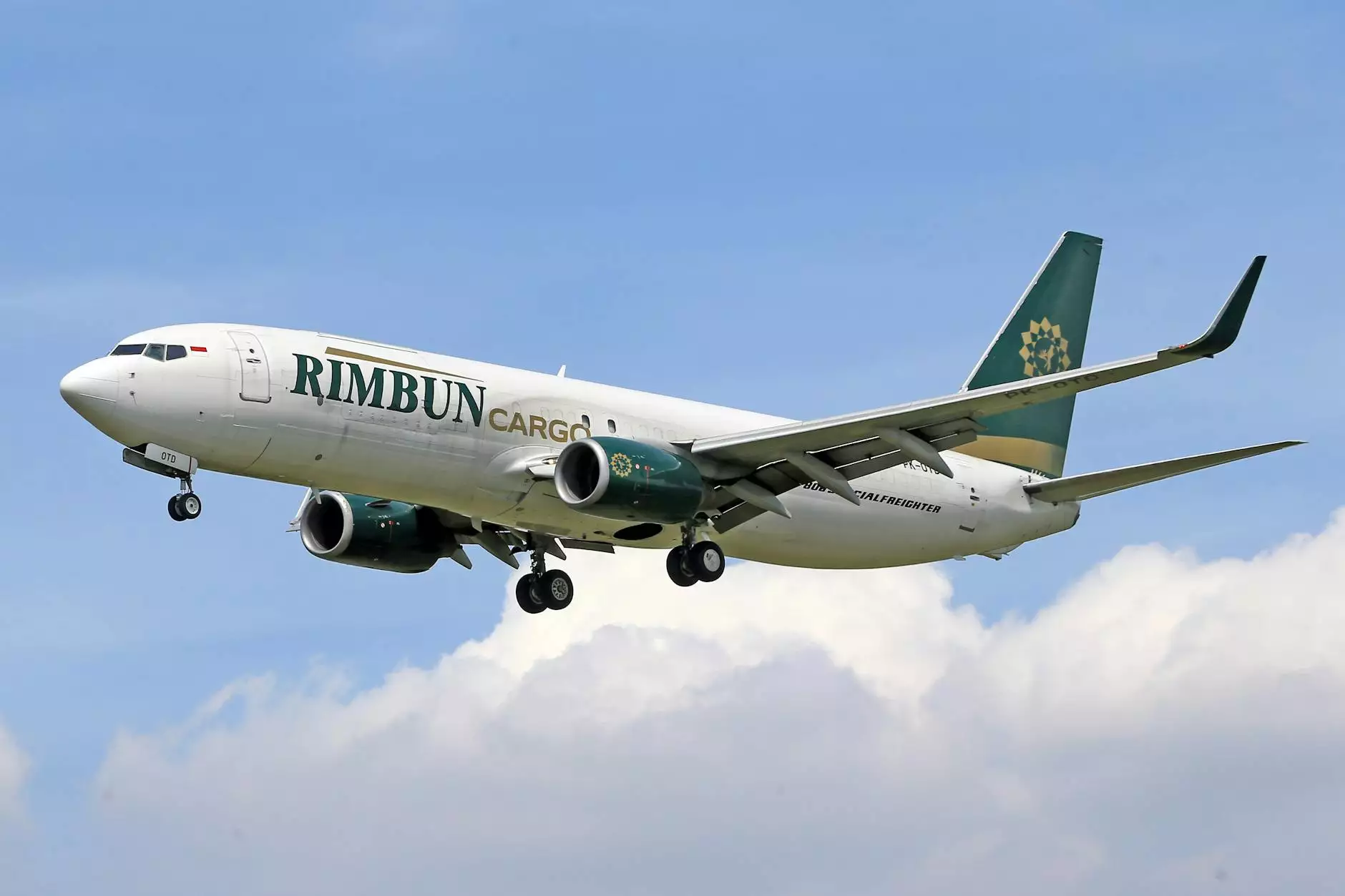
The world of commerce has undergone a drastic transformation in recent decades. Among the pivotal changes has been the rise of air cargo air freight, reshaping how businesses operate on a global scale. This article delves deeply into the intricacies of air cargo and air freight, highlighting their importance in today's fast-paced economy, along with the vital roles played by shipping centers, transportation systems, and airports. Read on to discover how air freight can enhance your business operations.
Understanding Air Cargo and Air Freight
Air cargo refers to the shipment of goods or freight via air transport. It is a key component of the logistics and transportation industries, facilitating the quick movement of products, whether they are essential goods, perishable items, or high-value materials. On the other hand, air freight specifically involves the cost incurred for transporting cargo by air and encompasses a variety of services, including door-to-door delivery, customs clearance, and more.
The Evolution of Air Cargo Services
Historically, air travel was once a luxury reserved for individuals and high-priority shipments. However, with advancements in technology and an increase in global trade, air cargo has become an everyday occurrence. Here are some pivotal milestones in the evolution of air cargo services:
- Early 20th Century: The inception of commercial aviation opened doors to transporting mail and small parcels.
- Post-World War II: Air freight began to expand as economies boomed and demand for quick deliveries surged.
- Late 20th Century: The introduction of dedicated cargo planes, such as the Boeing 747 Freighter, revolutionized the air freight industry.
- Modern Era: Electronic data interchange (EDI) and automation have streamlined air cargo operations, enhancing efficiency.
Importance of Air Cargo Air Freight in Global Trade
The significance of air cargo air freight cannot be overstated. In a world where time is often equated with money, air freight provides unmatched speed and reliability. Here are several reasons why air cargo is crucial for businesses today:
1. Speed of Delivery
Air freight is the fastest mode of transportation available, allowing businesses to move products across continents in just a matter of hours. This is invaluable for:
- Perishable goods: Produce, flowers, and pharmaceuticals that require quick delivery before spoilage.
- Time-sensitive shipments: Products needed urgently due to market demand or production schedules.
2. Expanding International Markets
With globalization, businesses are increasingly looking for opportunities beyond their local markets. Air cargo enables:
- Access to distant markets: Connects businesses to customers across the globe with minimal delays.
- Better customer service: Enables companies to fulfill orders quickly, improving customer satisfaction.
3. Safety and Security
Air freight is one of the safest modes of transportation available today. Stringent regulations and safety protocols ensure:
- Minimal damage and loss: Cargo is well-protected and managed throughout transit.
- Tracking and monitoring: Real-time tracking technologies enhance visibility and reduce risks.
Key Components of Effective Air Freight Operations
Successfully managing air freight requires understanding and optimizing various components of the process. Below are the critical elements:
1. Shipping Centers
Shipping centers serve as the hub of air freight operations, playing a vital role in logistics. They include:
- Distribution centers: Facilitate the storage and quick dispatch of goods.
- Warehouse facilities: Support inventory management and reduce delivery times.
2. Transportation Connectivity
Integration of transportation systems is crucial for the seamless movement of goods. This includes:
- Ground transportation: Efficient truck and rail networks link airports to inland destinations.
- Intermodal transport: The ability to transfer goods between transportation modes quickly enhances operational efficiency.
3. Airports as Logistics Hubs
Airports have evolved into complex logistics hubs. Major airports worldwide are designed to handle high volumes of freight, offering tailored services such as:
- Cargo handling: Specialized facilities for loading and unloading.
- Customs services: Streamlined processes to avoid delays at borders.
Navigating the Challenges of Air Freight
Despite its advantages, air freight does present challenges that businesses must navigate effectively. Here’s an overview:
1. Cost Considerations
The costs associated with air freight can be significantly higher than other forms of transport. Businesses must:
- Understand pricing: Many factors influence pricing, including distance, weight, and volume.
- Evaluate options: Compare the costs of air freight against the value of speed and reliability.
2. Regulatory Compliance
International regulations governing air cargo are strict and vary from country to country. Businesses need to:
- Stay informed: Keep abreast of changes in customs regulations and documentation requirements.
- Maintain compliance: Ensure all shipments meet legal requirements to avoid delays and fines.
3. Capacity Constraints
Air freight capacity can be limited, particularly during peak seasons. Businesses can mitigate this by:
- Planning ahead: Schedule shipments in advance to secure capacity during busy times.
- Building strong relationships: Work with reliable carriers who can offer flexibility.
Innovations Shaping the Future of Air Cargo Air Freight
The future of the air cargo industry is bright, with several innovations on the horizon that are set to transform operations:
1. Digital Transformation
Technology is increasingly playing a role in optimizing air freight logistics. Digital platforms that allow for:
- Real-time tracking: Increased transparency for all parties in the supply chain.
- Artificial Intelligence: AI-driven analytics can predict demand, optimize routes, and reduce costs.
2. Sustainable Air Cargo Solutions
As environmental concerns mount, the air freight industry is adopting sustainable practices. Examples include:
- Fuel efficiency: Newer aircraft models designed to consume less fuel.
- Carbon offsets: Programs aimed at reducing the carbon footprint of air deliveries.
3. Automation and Robotics
Automation has the potential to revolutionize air freight operations, especially in warehousing and cargo handling. Key developments include:
- Automated sorting: Technologies that increase speed and accuracy in cargo processing.
- Robotic assistance: Use of robots for packing and organizing shipments in warehouses.
Conclusion: Leveraging Air Cargo Air Freight for Success
In conclusion, air cargo air freight represents a critical aspect of global trade, driving economic growth and enabling businesses to fulfill customer demands efficiently. By understanding the various components of air freight operations and embracing innovations in the field, businesses can position themselves for success in an ever-evolving marketplace. As you explore the potential of air cargo for your logistics needs, remember that partnering with a reputable service provider, like cargobooking.aero, can lead to optimized shipping solutions tailored to your specific requirements.
air cargo air freight